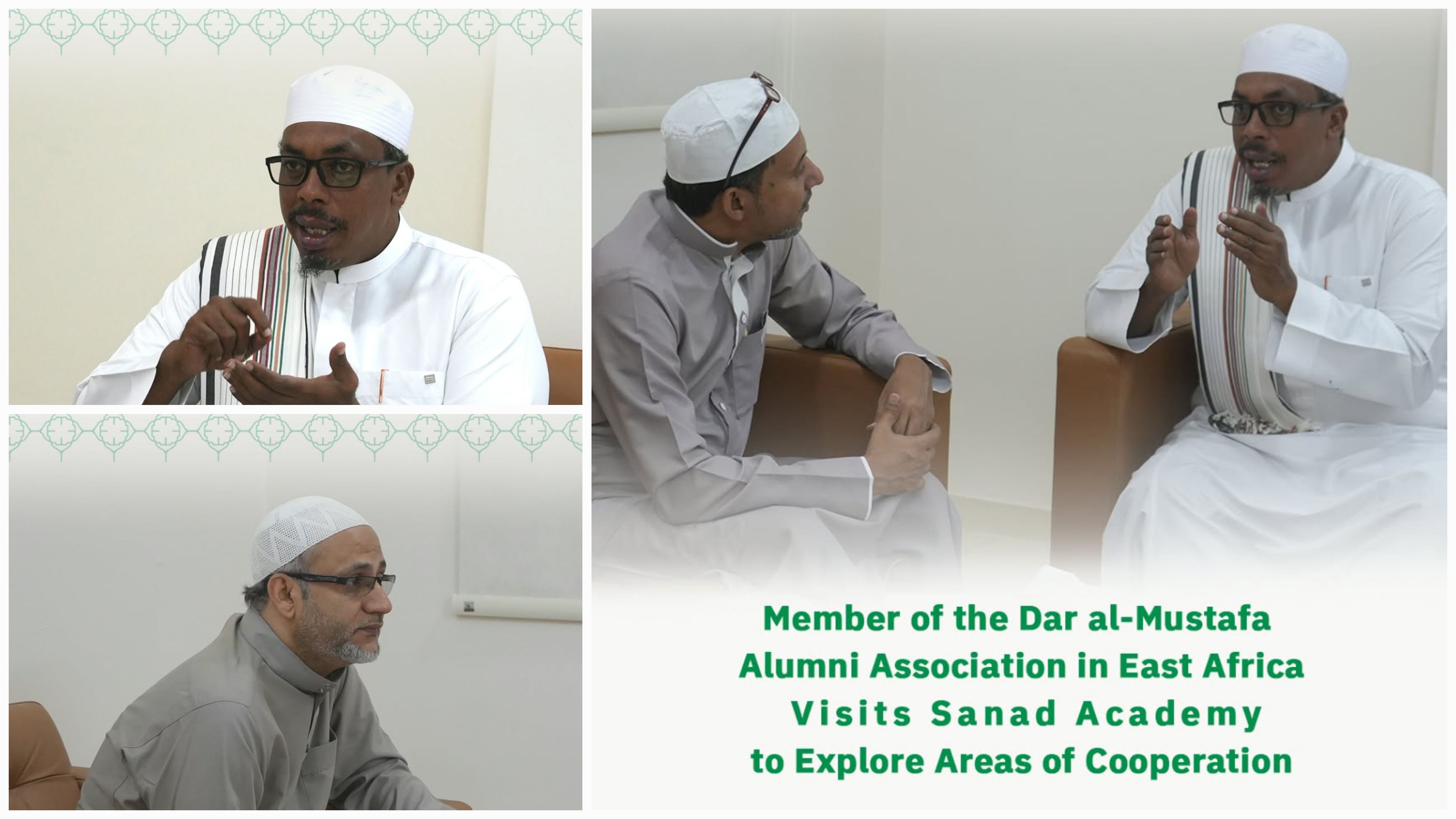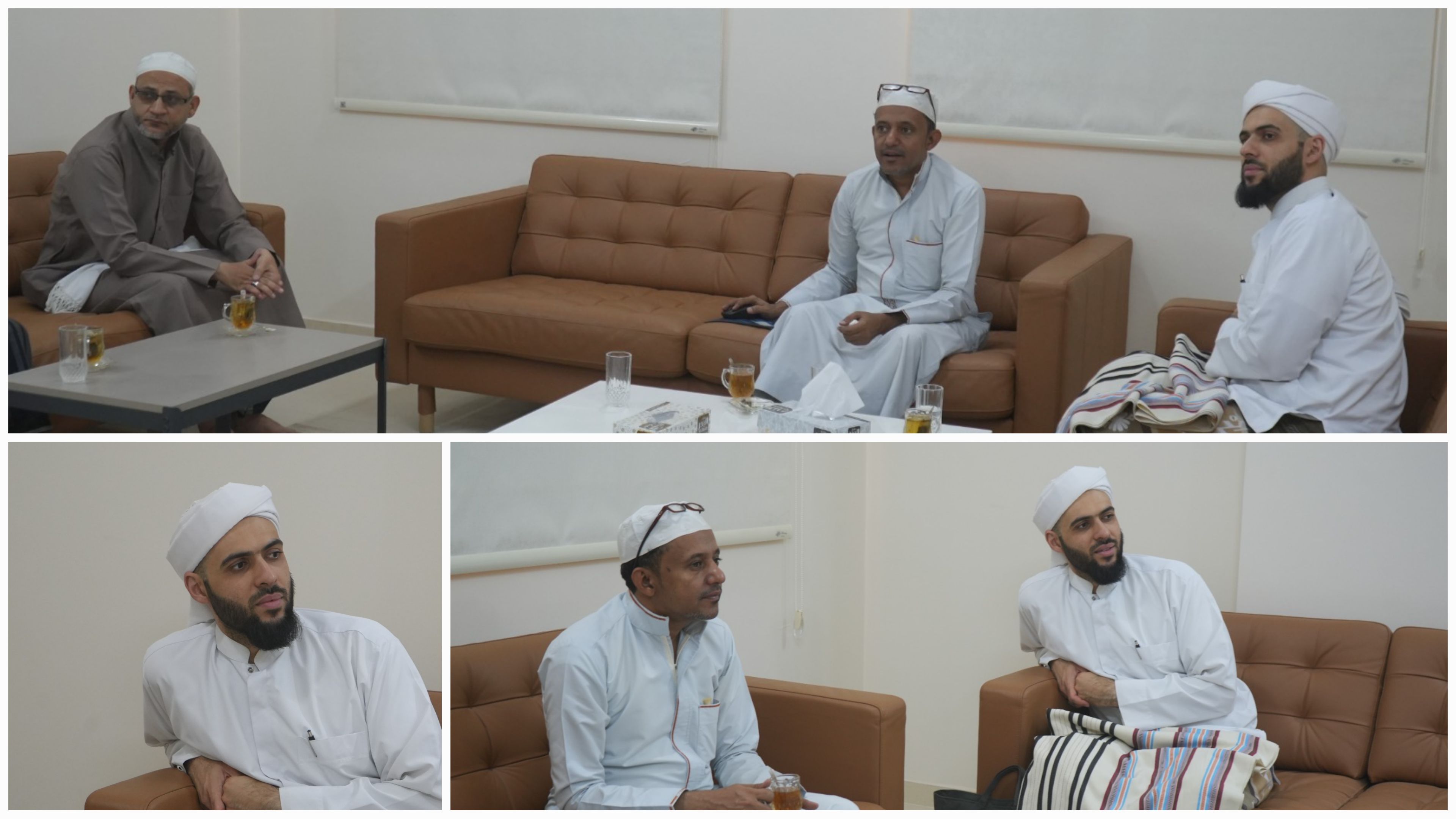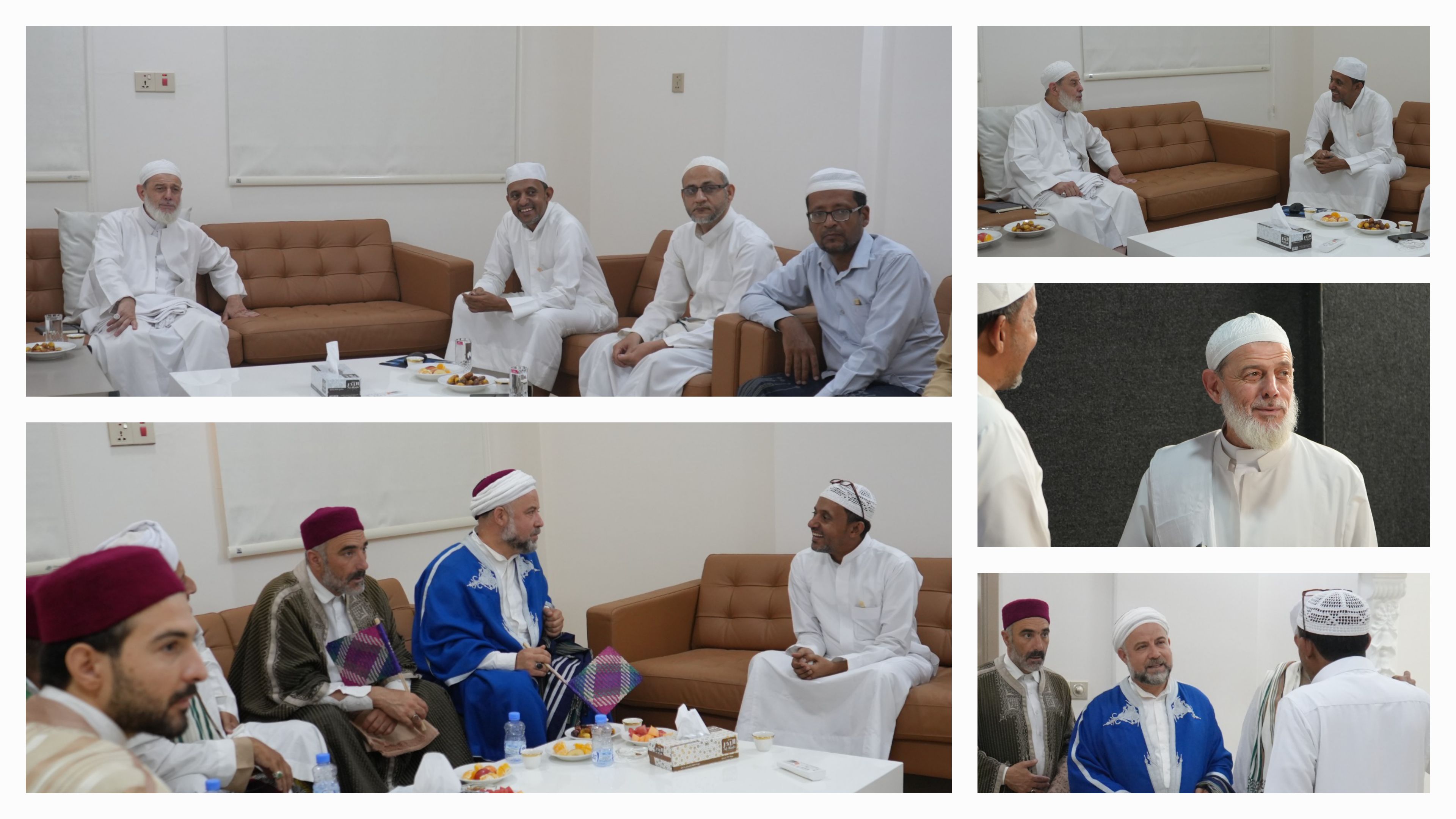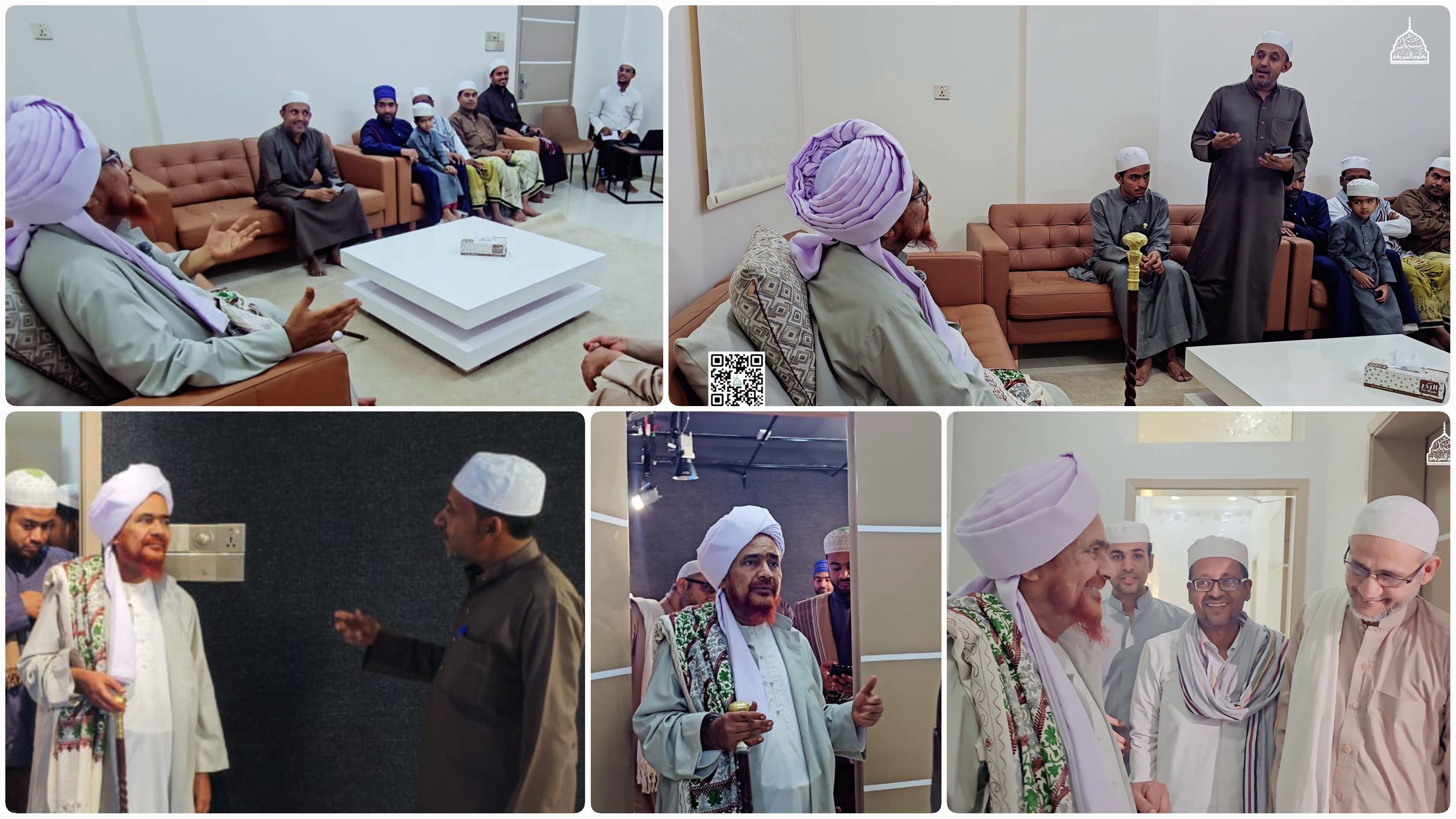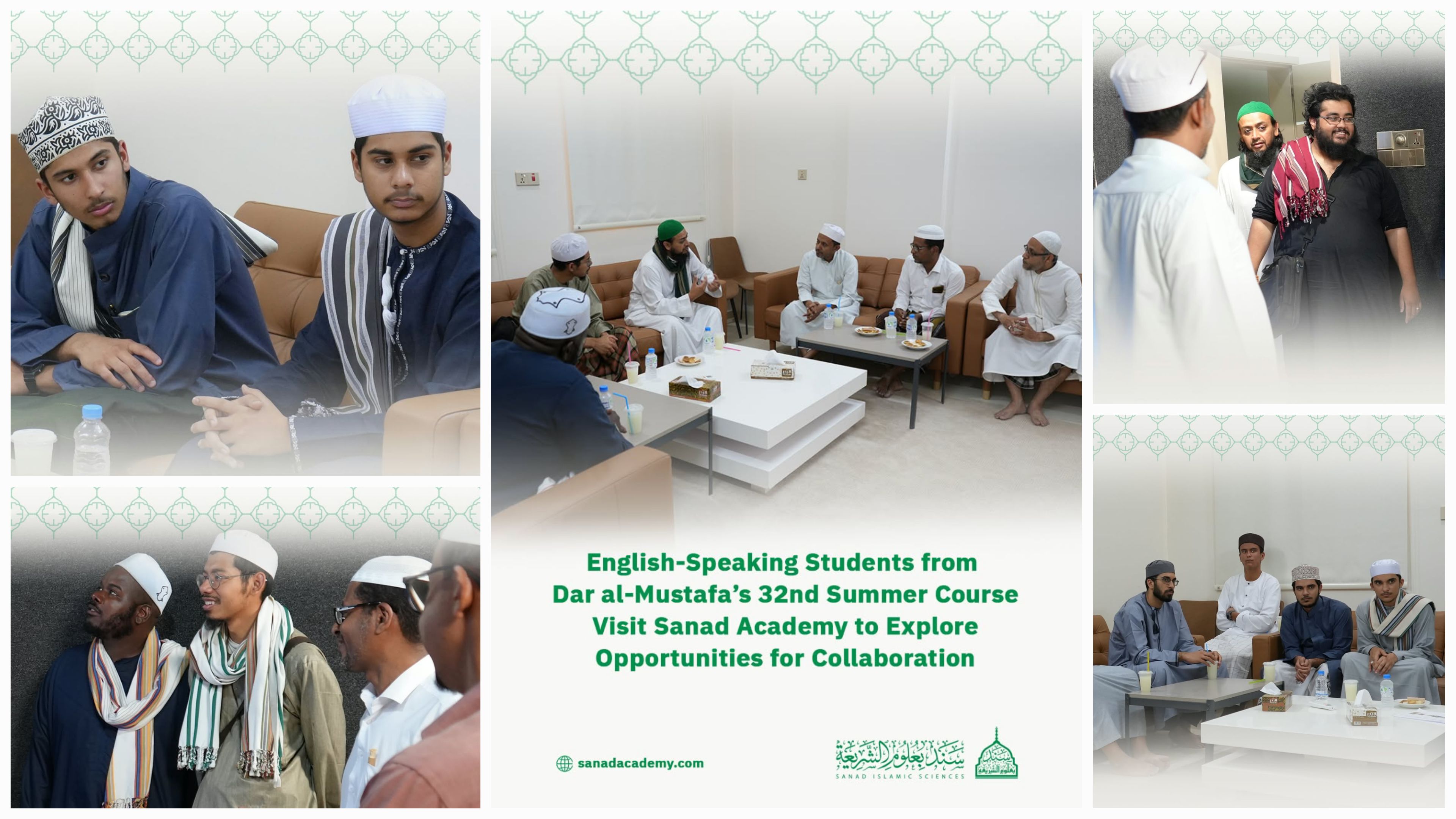
As part of Sanad Academy’s mission to share reliable Islamic knowledge and make it accessible to students around the world, Sanad Academy for Islamic Sciences, the digital platform of Dar al-Mustafa for Islamic Studies in Tarim, welcomed a group of English-speaking students participating in Dar al-Mustafa’s 32nd Summer Course.
The visit introduced the students to Sanad Academy, its vision, and its educational programs, as well as the reliable Islamic content it offers based on the educational approach of Dar al-Mustafa in Tarim. Through its digital platform, Sanad Academy enables students to access Islamic knowledge wherever they are and continue their learning beyond the classroom.
The meeting also explored opportunities for collaboration and discussed ideas for introducing Sanad Academy and its programs to wider Muslim communities in the West. Such efforts can help make reliable Islamic education more accessible to students and those seeking to deepen their understanding of Islam, while also enabling the visiting students to benefit from the Academy’s programs and continue their journey of seeking knowledge through its platform.
The visit reflects Sanad Academy’s commitment to expanding its global reach and building meaningful connections with students of Islamic knowledge, Islamic institutions, and educational centers around the world.
Sanad Academy offers its educational programs in three languages: Arabic, English, and Swahili, allowing it to serve diverse communities of learners worldwide. The English track brings together a distinguished group of instructors from the United States, Europe, Australia, and South Africa, while the Swahili track includes instructors from East Africa, particularly Kenya and Tanzania.
Through these multilingual programs, Sanad Academy seeks to make reliable Islamic knowledge accessible to students in their own languages and communities, while connecting them to the scholarly tradition of Dar al-Mustafa in Tarim.